01
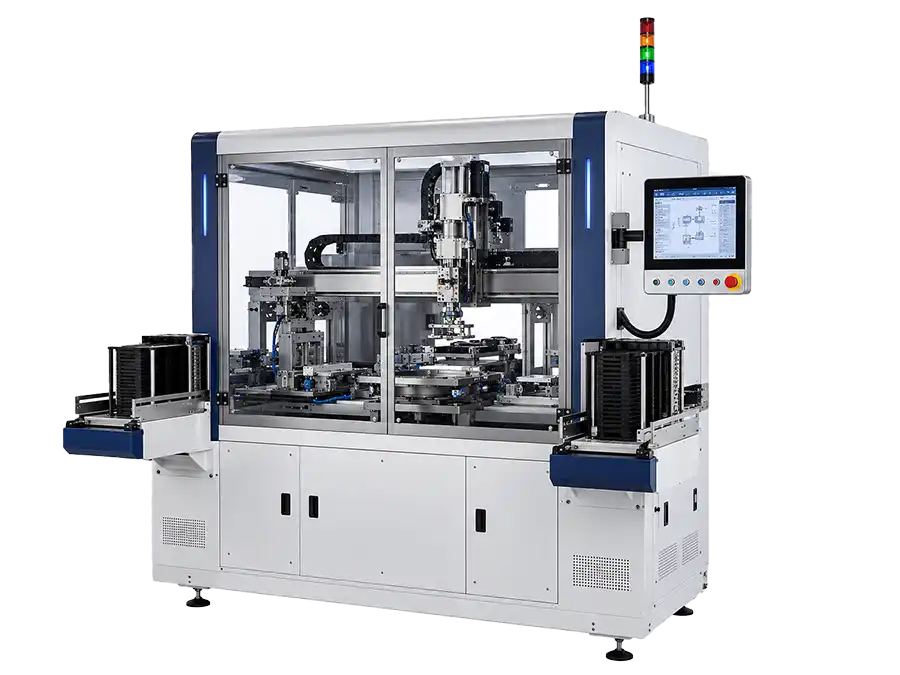
Test Handler
Automated IC handling systems for device loading, temperature conditioning, test contact, result sorting and controlled unloading during final test.
Semiconductor Test & Handling Solutions
Explore equipment solutions for wafer-level probing, packaged-device handling, electrical testing, thermal conditioning and automated result sorting. We help semiconductor manufacturers, OSAT facilities and test operations identify the test handler, ATE system, probe station and support scope that fit the actual device, test stage and production target.
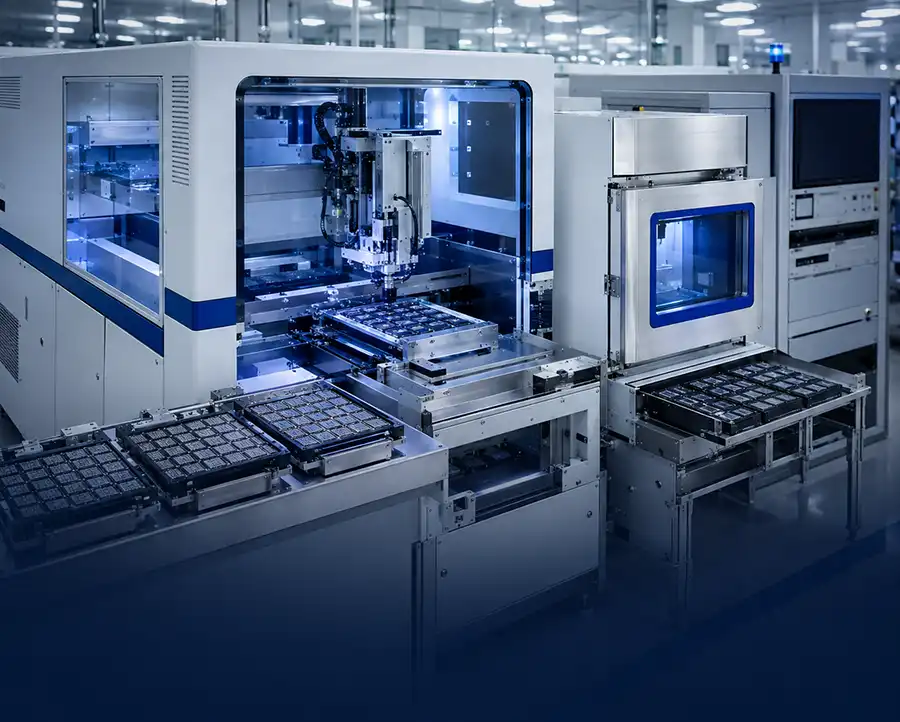
Semiconductor test and handling equipment moves wafers or packaged ICs into a controlled test position, establishes reliable electrical contact, manages the required temperature and separates devices according to test results. A complete solution may combine a wafer prober or test handler, an ATE system, contact hardware, change kits, thermal control and automated sorting functions.
Core Equipment Categories
Select the equipment path according to whether the project requires wafer-level probing, packaged-device automation or electrical test execution.
Equipment compatibility must be evaluated using the device format, test stage, tester interface, contact method and expected production output.
Automated IC handling systems for device loading, temperature conditioning, test contact, result sorting and controlled unloading during final test.
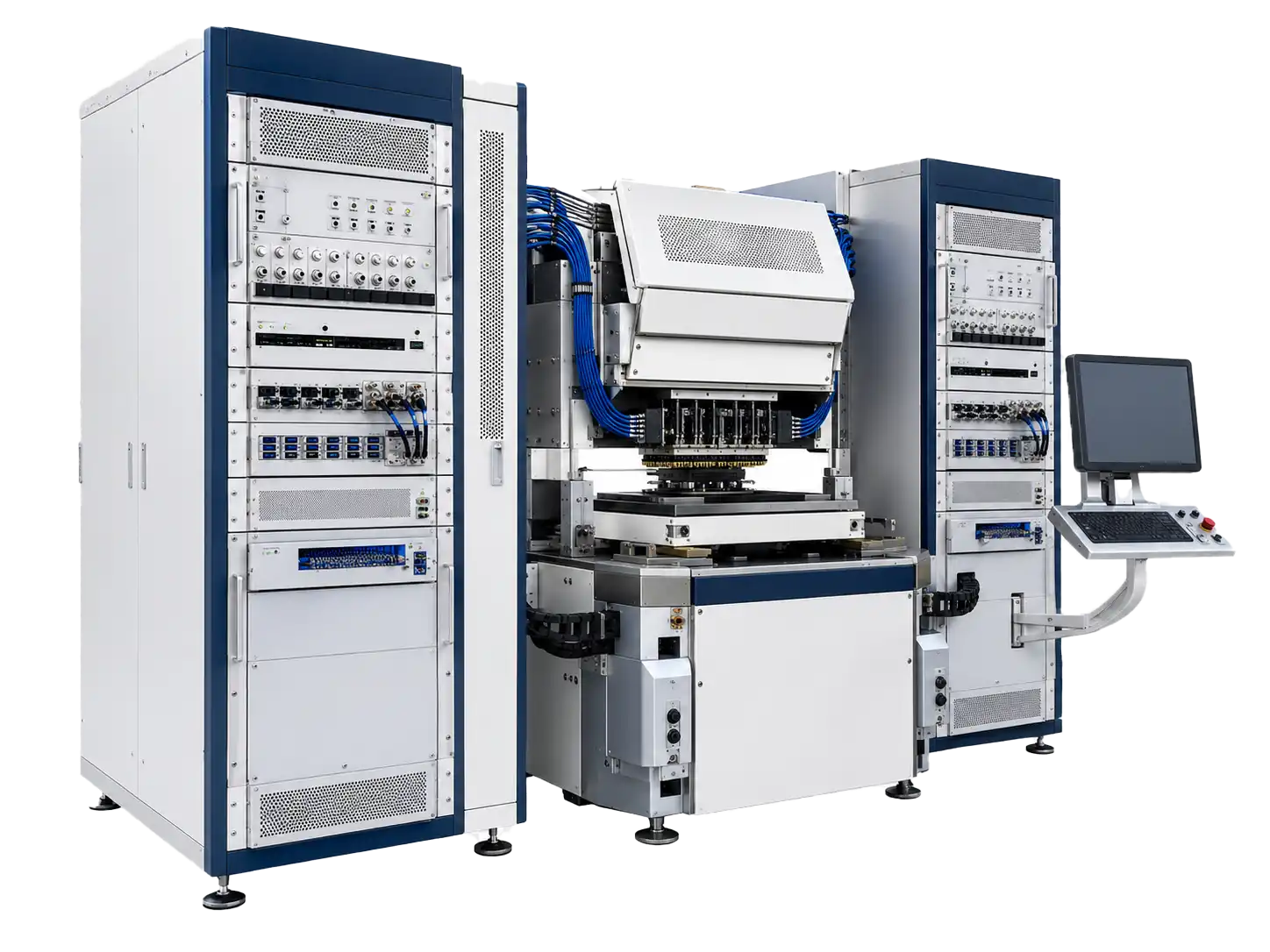
Automatic test equipment for applying electrical test programs, measuring device performance and generating pass, fail and binning results.
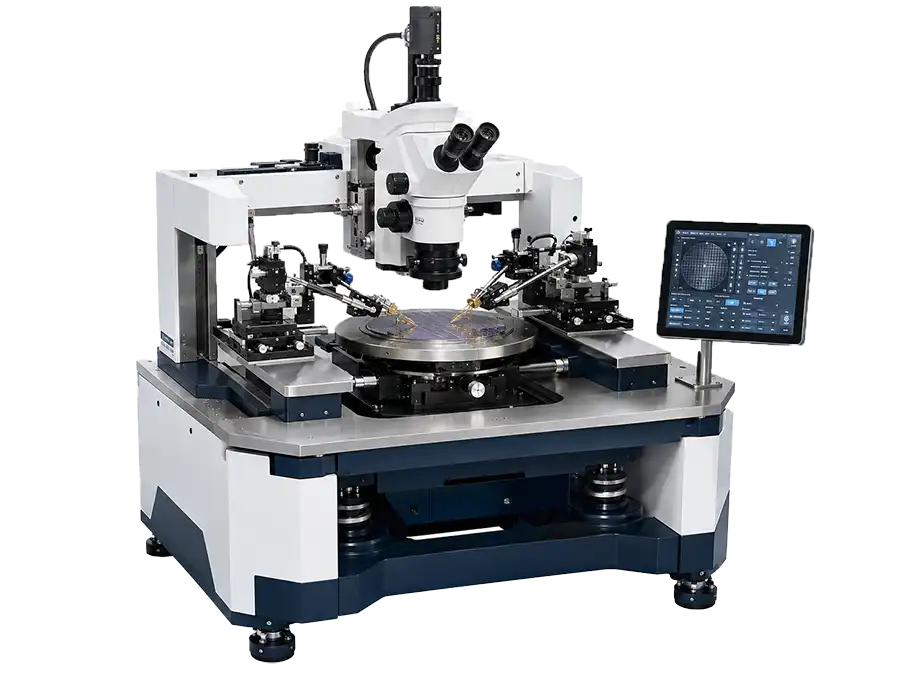
Precision wafer positioning and probe-contact platforms for circuit probing, wafer-level electrical measurement and known-good-die identification.
Explore Probe Stations →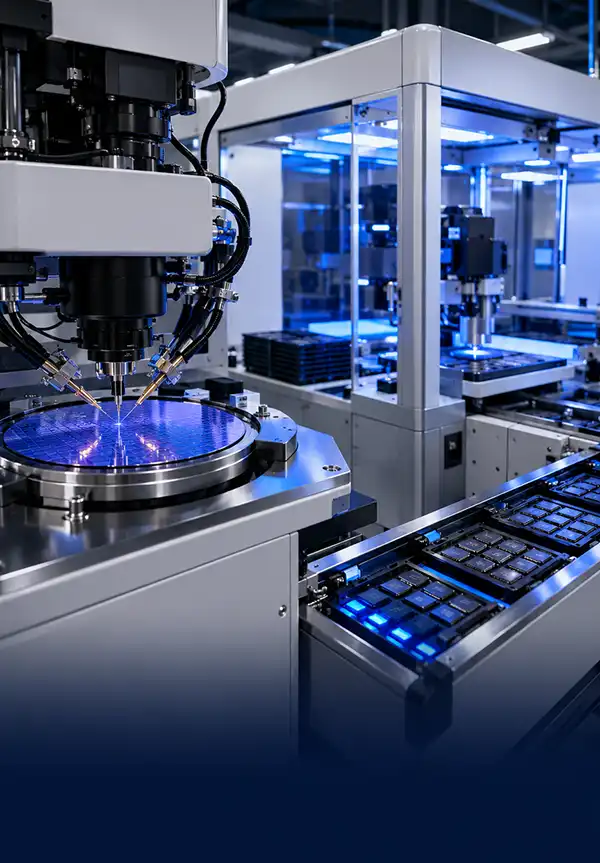
Where the Equipment Fits
Semiconductor testing depends on more than the tester alone. Device presentation, contact repeatability, temperature stability, test time and sorting logic must work together to maintain reliable results and production efficiency.
Position the wafer accurately, align the probe interface and identify electrically acceptable dies before dicing.
Load packaged devices automatically and stabilize them at the required test temperature before contact.
Present each device to the contact interface while the ATE system applies the selected test program and records results.
Direct tested devices into the correct output category according to pass, fail, grade or customer-defined binning rules.
Equipment Direction
The equipment combination changes according to whether testing is performed on the wafer, after packaging, under controlled temperature or as part of high-speed production sorting.
| Test Requirement | Primary Equipment | Main Function | Key Selection Point |
|---|---|---|---|
| Wafer-Level CP Test | Wafer Prober + ATE | Probe individual dies before wafer dicing | Wafer size, probe interface, alignment and test program |
| Packaged IC Final Test | Test Handler + ATE | Automated electrical test and result sorting after packaging | Package type, contactor, tester interface and throughput |
| Hot or Cold Testing | Temperature-Controlled Test Handler | Condition and test devices at the required temperature | Temperature range, soak time and thermal stability |
| High-Speed Device Sorting | Turret, Gravity or Pick-and-Place Handler | Rapid device presentation, testing and multi-bin sorting | Index time, package protection and output configuration |
| Engineering & Device Evaluation | Probe Station or Flexible Test Platform | Device characterization, failure analysis and development testing | Measurement access, flexibility and changeover requirements |
Selection Priorities
Before comparing models, define the test stage and the conditions that affect device compatibility, contact reliability, output and long-term equipment support.
Confirm whether the project involves wafer-level CP, packaged-device final test, engineering evaluation or production sorting.
Review package dimensions, lead or ball layout, socket, contactor, change kit and device-orientation requirements.
Define the required test temperature, conditioning method, soak time and stability expectations for the actual device.
Compare handler movement time, tester test time, parallel-site capability and the required production output.
Verify mechanical docking, electrical interface, communication protocol, test-head arrangement and software compatibility.
Consider spare-parts availability, change-kit continuity, repair capability, operator knowledge and future replacement planning.
Equipment configuration must be verified for the actual package format, electrical test requirement and production environment.
Flexible Project Support
Test operations may require available legacy platforms, replacement handlers, tester-compatible configurations, spare parts, contact hardware or repair support to maintain installed production.
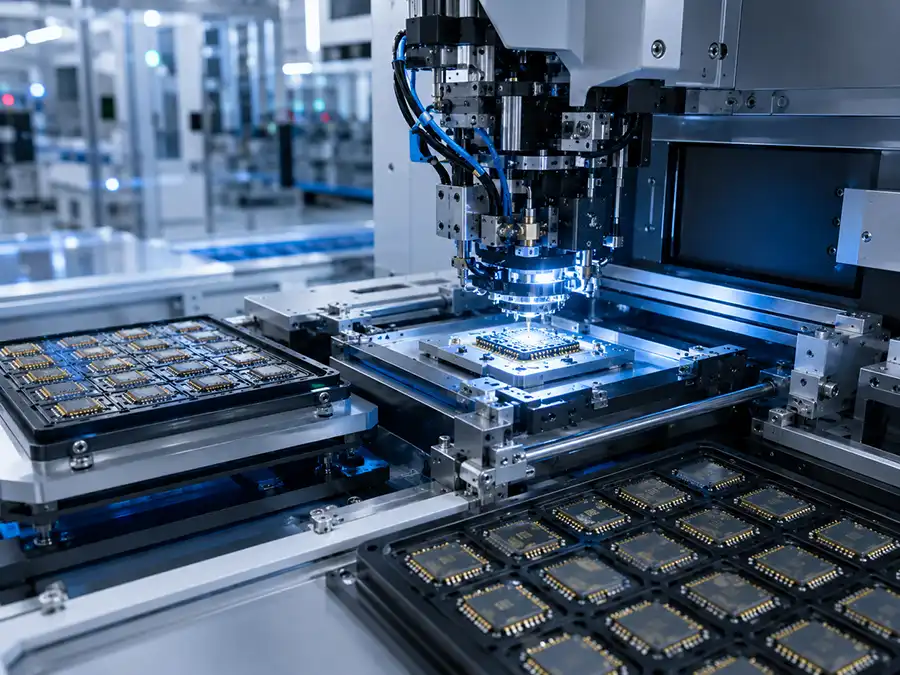
Explore available test handlers, wafer probers, ATE platforms and related test equipment for line expansion, model replacement, engineering use or legacy production continuity.
Explore Available Equipment →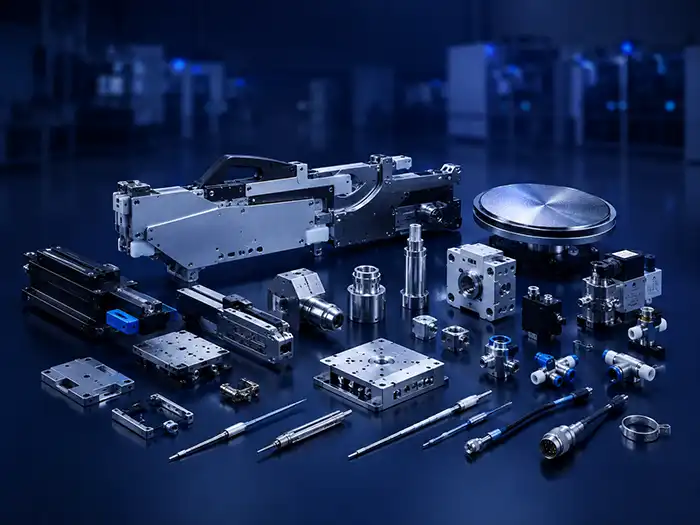
Maintain existing production with test-handler parts, compatible change kits, sockets, contactors, repair direction, replacement planning and installed-base support.
Explore Test Handler Parts →Frequently Asked Questions
Send the device package, test stage, tester model, required temperature, target throughput or current handler configuration. Our team will review the most practical equipment and support route for your project.