Deposition Equipment
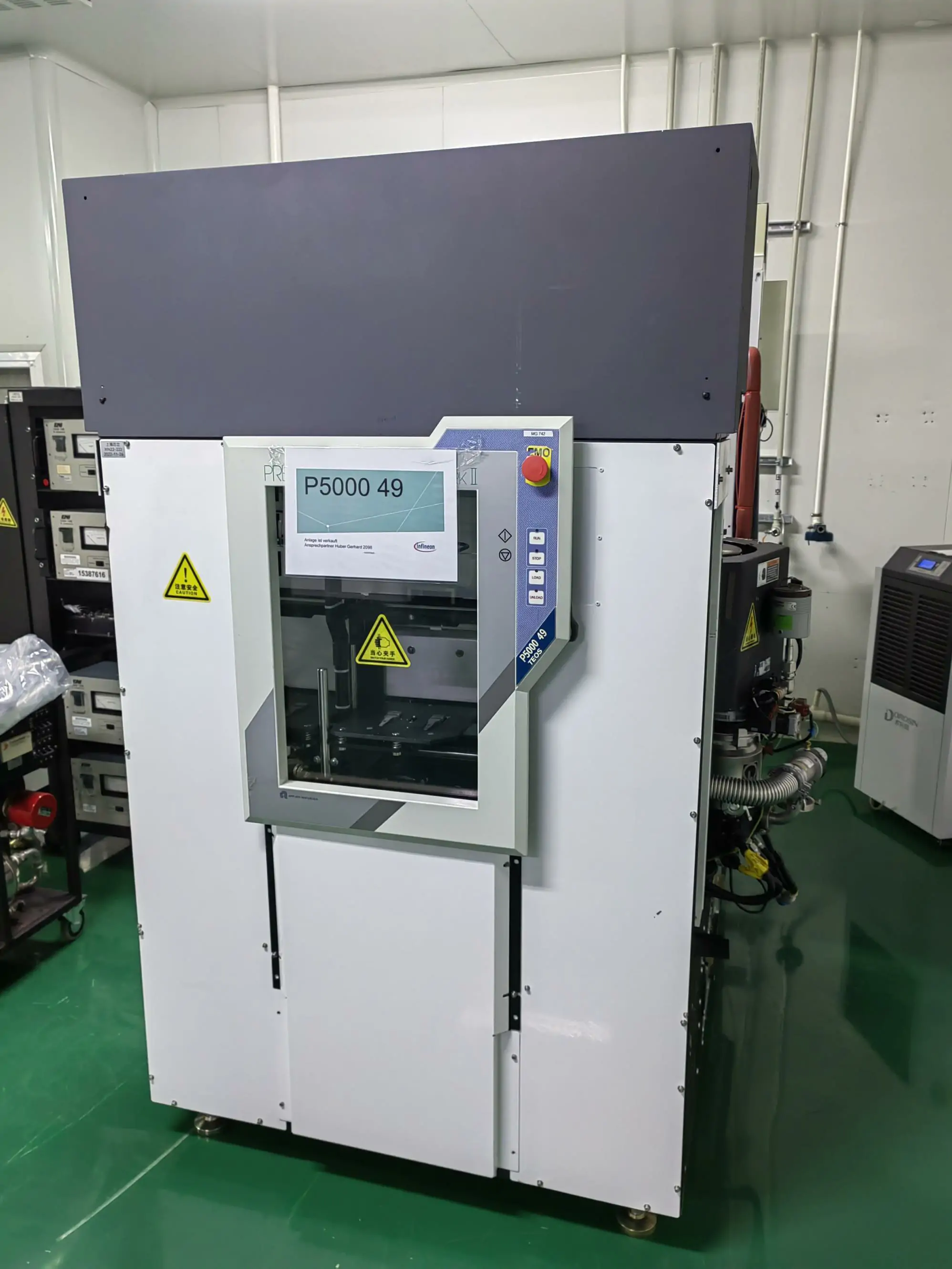
Applied Materials P5000 PECVD System
Used Applied Materials P5000 multi-chamber PECVD system for 150 mm and 200 mm SiO2 and SiN deposition. Installed chamber...
View Equipment DetailsExplore used semiconductor thin film deposition equipment, including CVD and PECVD systems for dielectric and passivation films, PVD and sputtering platforms for metal and barrier layers, ALD equipment for ultra-thin conformal films, and selected epitaxy or MOCVD systems. Send the model, target film, wafer size, current platform or available equipment information to begin reviewing equipment fit, process compatibility and fab utility requirements.
Browse current CVD, PECVD, PVD, sputtering, ALD and specialty deposition systems when available. Target film, chamber configuration, wafer size, installed options, known condition and delivery scope are confirmed for the specific machine.
Used Applied Materials P5000 multi-chamber PECVD system for 150 mm and 200 mm SiO2 and SiN deposition. Installed chamber...
View Equipment Details
Used Canon Anelva FC7100 cluster PVD system for 300 mm high-k metal-gate and reactive sputtering processes, configurable...
View Equipment Details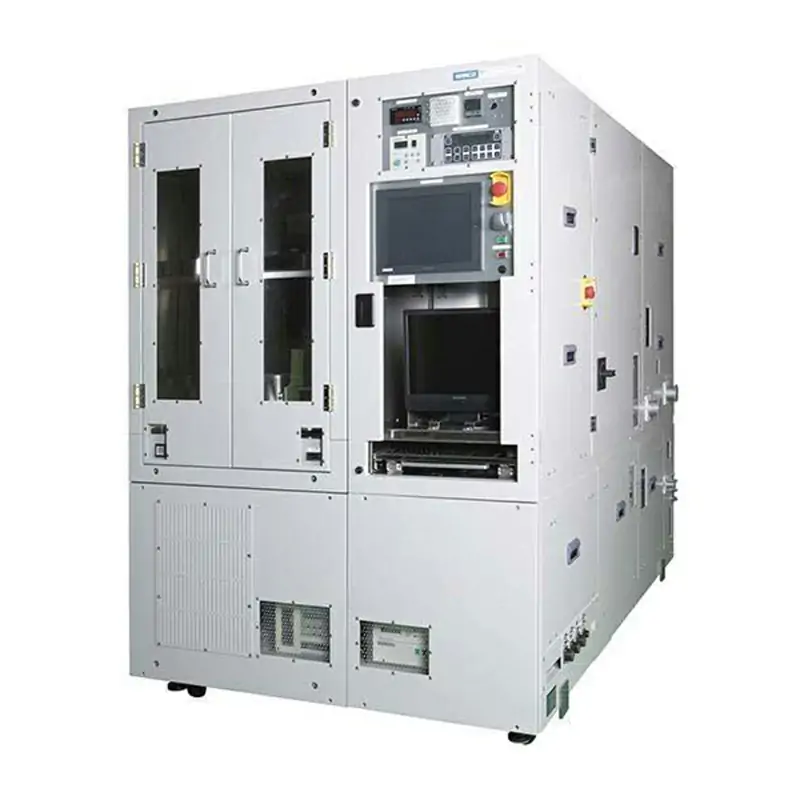
Used SAMCO PD-3800L load-lock batch PECVD system for SiO2, SiN, SiON and amorphous silicon deposition on multiple wafers...
View Equipment Details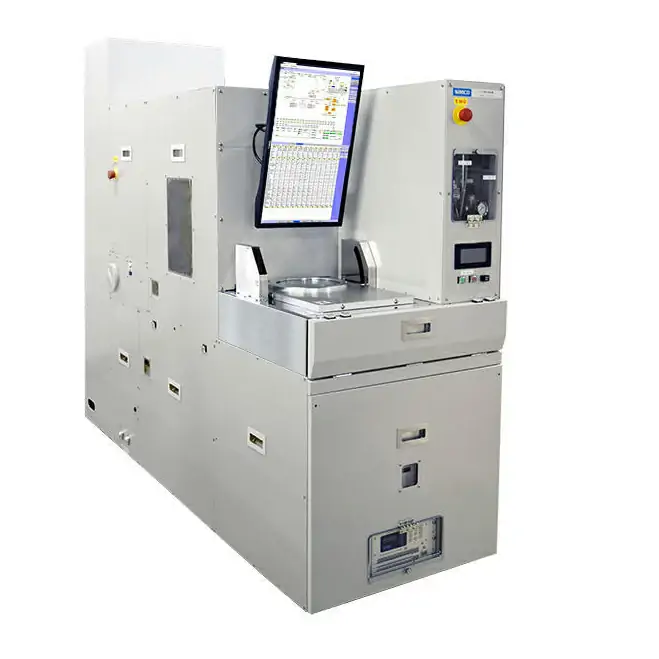
Used SAMCO AD-230LP load-lock plasma ALD system for conformal AlN, SiN, AlOx and SiO2 thin-film deposition on semiconduc...
View Equipment DetailsSend the manufacturer, model, target film, chamber configuration, wafer size, current production platform or available photos. We can review active listings, equipment under preparation and request-based sourcing for the required platform or a relevant alternative.
The table gives buyers a practical starting point. It does not replace a detailed platform review, because one material may be deposited through more than one method and the exact result still depends on the chamber, process window and qualified recipe.
| What You Need to Build | Equipment Direction That May Be Relevant | Why Buyers Consider It |
|---|---|---|
| Common dielectric, passivation, hard-mask or silicon-based films | CVD / PECVD | Often used for established production-oriented film processes where deposition rate, repeatability and practical throughput matter. |
| Metal, barrier, electrode or contact layers | PVD / Sputtering | Transfers target material to the wafer through sputtering or evaporation-based processes and is widely used for conductive and barrier films. |
| Ultra-thin films on deep or complex three-dimensional structures | ALD / PEALD | Provides precise thickness control and strong conformal coverage where sidewalls, trenches and high-aspect-ratio features matter. |
| Crystalline silicon or compound-semiconductor layers | Epitaxy / MOCVD | Used for controlled crystalline growth such as silicon epitaxy, GaN, GaAs, InP and related compound-semiconductor structures. |
Technology names are only the first layer of the decision. Final equipment direction also depends on film quality, temperature budget, precursor or target material, structure coverage, wafer size, production output and the process already qualified on the line.
A model name can look suitable while the real problems remain hidden in the chamber, film result, fab connection or production capacity. These four checks help determine whether a specific machine is worth moving into detailed evaluation.
| What We Check | What We Review | Risk This Helps Avoid |
|---|---|---|
| Can it produce your target film? | Chamber configuration, precursor or target material, process gases, RF and heating setup, and the film applications already associated with the platform. | Avoid moving a machine onsite only to find that its chamber, gas path or process setup cannot produce the required film. |
| Can it meet film quality and coverage requirements? | Target thickness, wafer uniformity, stress, particles, defects, step coverage, conformality, and the planar or three-dimensional structures the film must reach. | Avoid poor uniformity, particles or coverage problems that can reduce yield or delay process qualification. |
| Can your wafer and fab conditions support it? | Wafer size and handling, equipment footprint, power, vacuum, exhaust, cooling, temperature control, and special-gas or precursor connections. | Avoid receiving a machine only to discover that the existing power, cooling water, exhaust, gas supply or facility interfaces cannot support it. |
| Can it meet your production target? | Single-wafer or batch handling, chamber count, cycle time, automation, expected WPH direction, and the required output of the existing production line. | Avoid adding a process-capable machine that is too slow and becomes the next production bottleneck. |
Send the target film, current platform, chamber information, wafer size, process temperature, facility conditions or available photos. We will help identify the main risks and the details that still need verification.
Used deposition equipment is often considered when a fab wants to maintain a qualified film process, replace a discontinued platform, add mature-line capacity or recover the chambers and critical parts needed to keep an established system in production.
Review same-family or relevant used systems when the existing process remains valuable but the original platform is difficult to source new.
Increase output without immediately rebuilding a qualified process around a completely different equipment generation.
Support older systems with chamber assemblies, heaters, RF components, pumps, valves, gas-delivery parts and other platform-related items when available.
Delivery confirms exactly what machine, chambers, accessories, packing and service scope are included. After-sales support begins later, when an existing or delivered deposition system needs help with alarms, vacuum, chambers, heating, RF, gas delivery, installation or spare parts.
Confirm the exact machine, chamber configuration, included modules, known condition and agreed accessories.
Clarify who handles disassembly, export packing, loading, freight and delivery to the agreed port or site.
Review gas, precursor, vacuum, exhaust, cooling, power and temperature-control requirements before installation.
Record the warranty period, reporting process, remote support and any agreed repair, installation or on-site service in the quotation.
Record visible damage, impact or tilt indicators, moisture and unloading condition before unpacking.
Verify the platform, chambers, serial numbers, accessories and agreed modules against the packing or delivery list.
Confirm chamber condition, moving assemblies, robots, locks and loose items before power, vacuum or process gases are applied.
Send photos, video, alarm information, serial details or part labels before start-up if anything appears damaged, missing or inconsistent.
When an existing or delivered system develops an alarm, vacuum problem, chamber fault, heating issue, RF problem, gas-delivery issue or spare-part requirement, our technical and service team can help review the available information and coordinate the next practical step.
Organize alarm screens, pressure behavior, operating conditions, photos or video and review the likely fault direction before inspection or repair.
Discuss inspection, repair or recovery directions for chamber assemblies, heaters, RF components, pumps, valves and related subsystems.
Check platform relationships and possible parts options from the machine model, chamber name, part number, label or component photo.
Review utilities, transport locks, leak checks, vacuum, gases, communications and first-start questions before normal operation begins.
Specific repair, restoration, commissioning, on-site service and warranty scope are confirmed for the individual machine and quotation.
Request Deposition System SupportThese questions cover the main issues buyers face when reviewing used CVD, PECVD, PVD, ALD and other semiconductor deposition systems.
CVD and PECVD form films through chemical reactions, with PECVD using plasma assistance. PVD transfers material from a target or evaporation source. ALD builds films through repeated self-limiting surface reactions for precise thickness and conformal coverage. The final choice depends on the target film and process requirements.
Start with the target material, chamber use, precursor or target, process gas, temperature range, wafer size and the known history of the platform. These details help identify whether the machine is worth deeper evaluation.
Yes. The same equipment family may have different chambers, gas delivery, RF, heaters, wafer handling, software and installed options. The specific machine must be confirmed rather than assuming every unit is identical.
Review the qualified film, chamber configuration, wafer size, process temperature, gas or precursor system, automation, utilities, software generation and the practical changes required for integration.
Yes. Send the manufacturer, model, target film, chamber information, wafer size or current platform. We can check current listings, equipment under preparation and additional request-based sourcing possibilities.
Requests may include chamber assemblies, heaters, RF components, pumps, valves, gas-delivery parts, controllers and other platform-related items. Availability must be checked against the exact machine, chamber and part information.
Share the target film, current equipment, model, chamber photo, wafer size, process temperature, replacement goal or sourcing requirement. We will use the available information to narrow the equipment direction and identify the next practical review step.